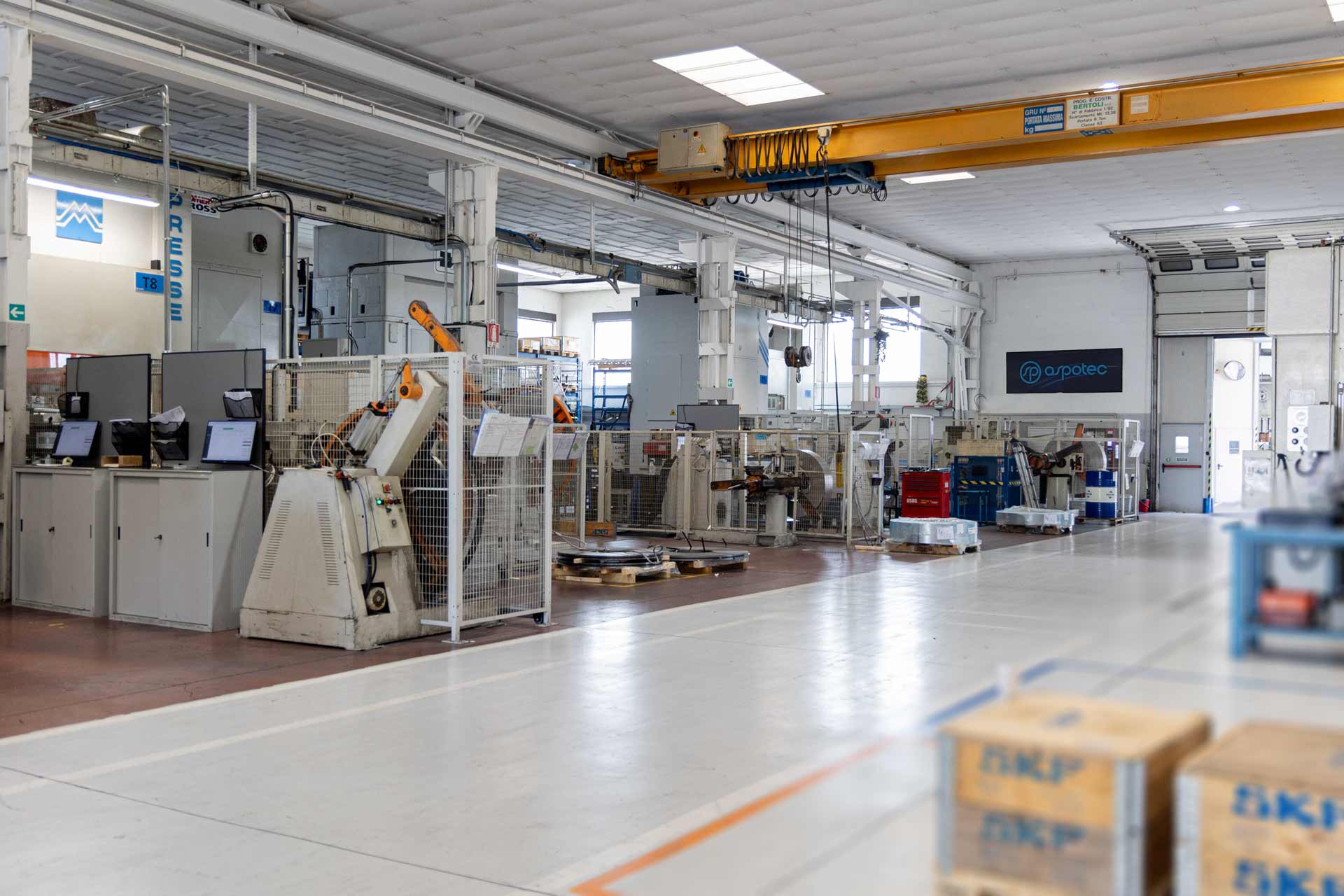
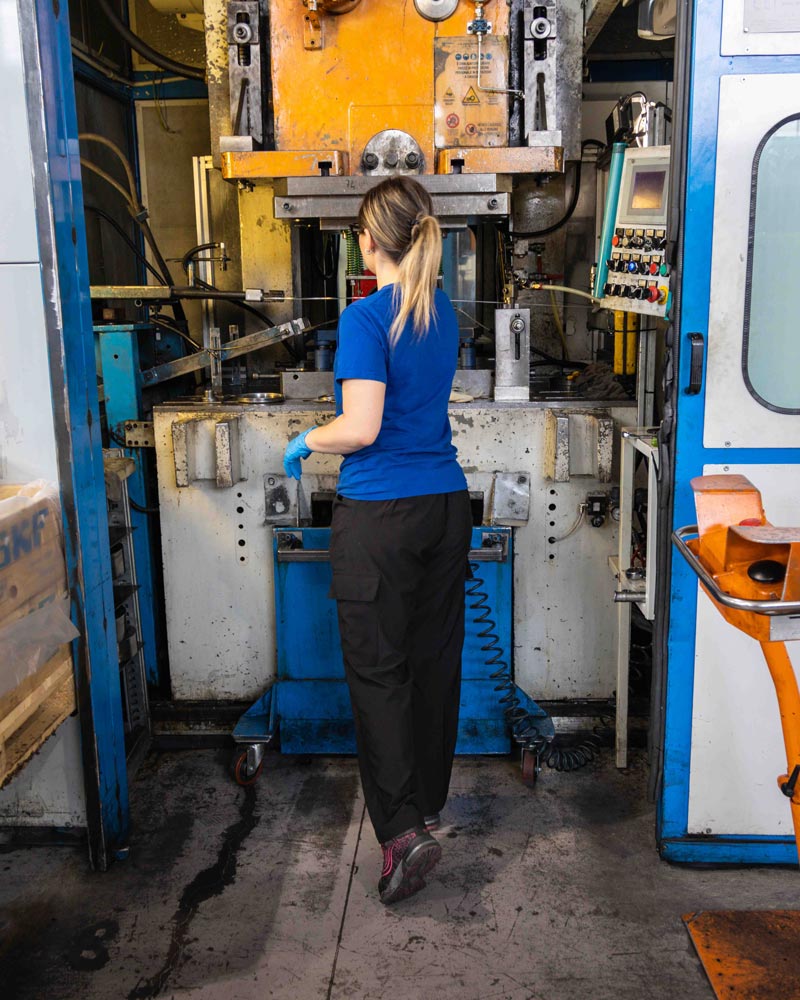
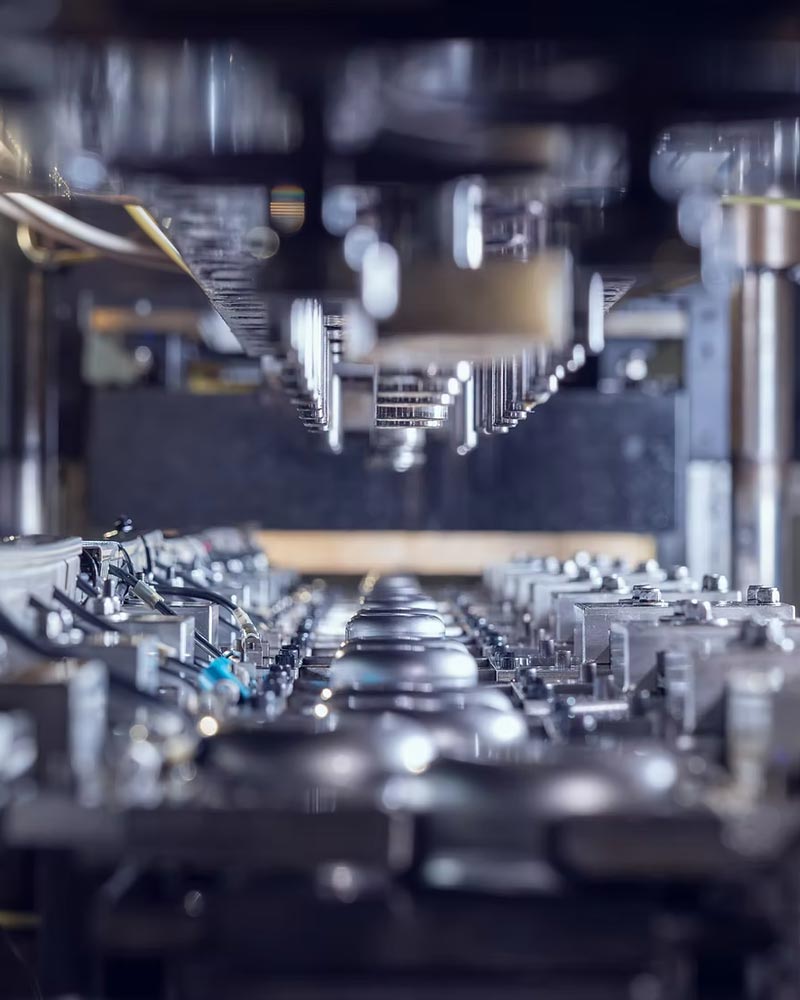
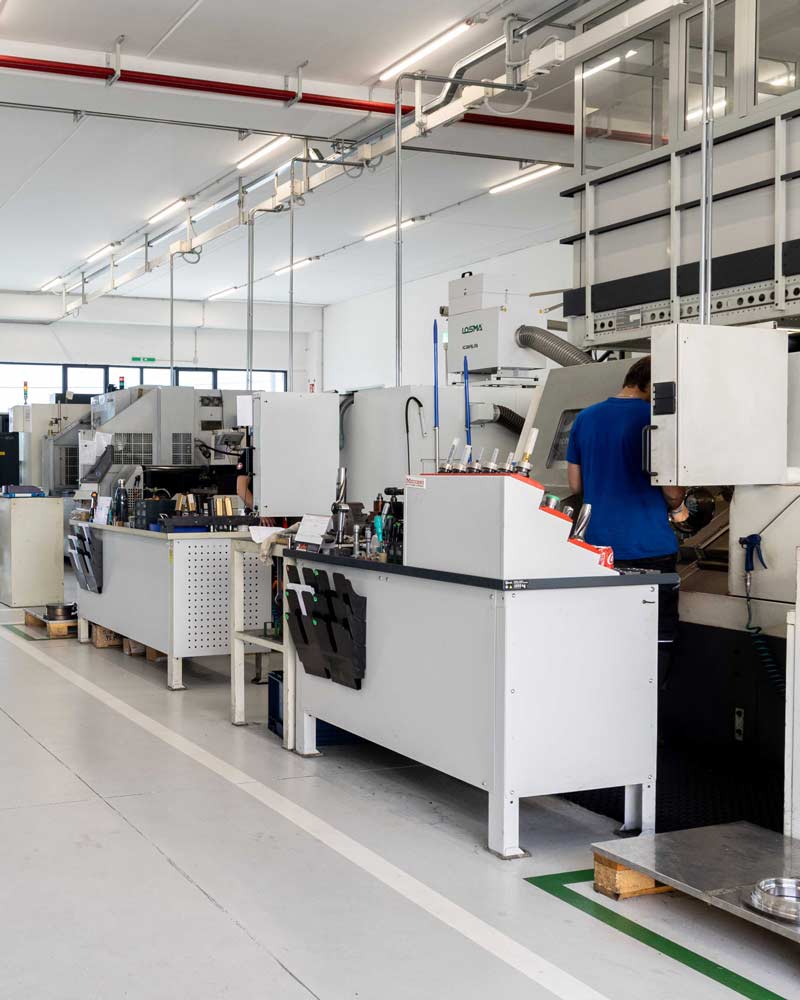
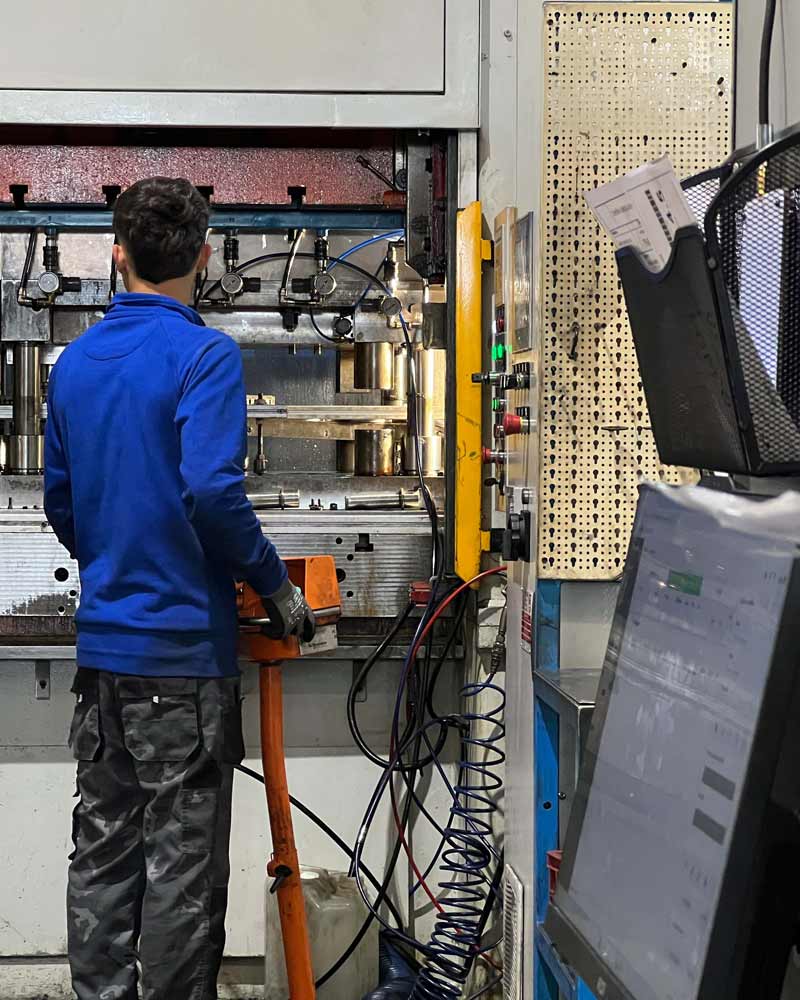
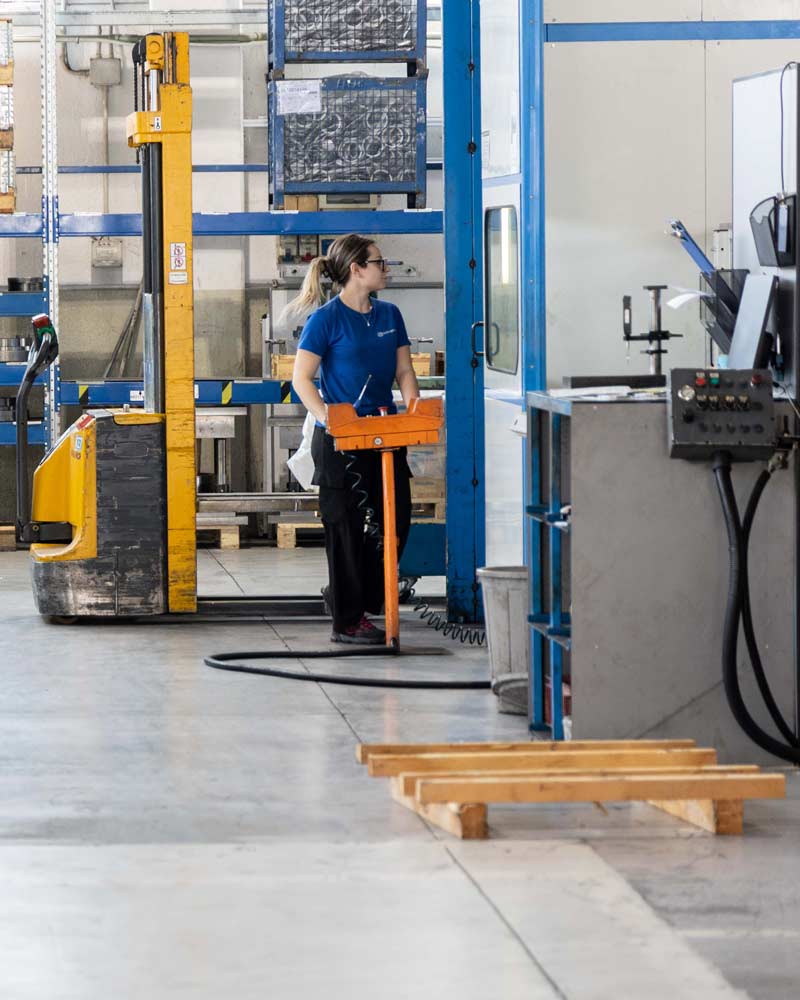
Aspotec designs and manufactures cold-stamped sheet metal components, managing custom production orders that require technical precision, process control, and close coordination between materials, machinery, and production stages.
In an environment defined by different production runs, batches that must be traced, and assets at varying levels of digital maturity, data quality becomes an integral part of production quality.

Bringing data quality up to the same standard as production standards.


How Quindi makes every stage of a production order traceable
Aspotec can now extend production visibility to machinery that was not previously fully connected. New and legacy assets feed into the same information flow, making it easier to monitor machine status, production times, output, and progress.

The second phase introduced RFID into raw material management. Through one simple action, the operator associates the material with the relevant production batch: the material is identified, linked to the batch record, and made visible within the system. This allows Aspotec to know exactly which raw material is being used for each batch and track its consumption as production progresses.

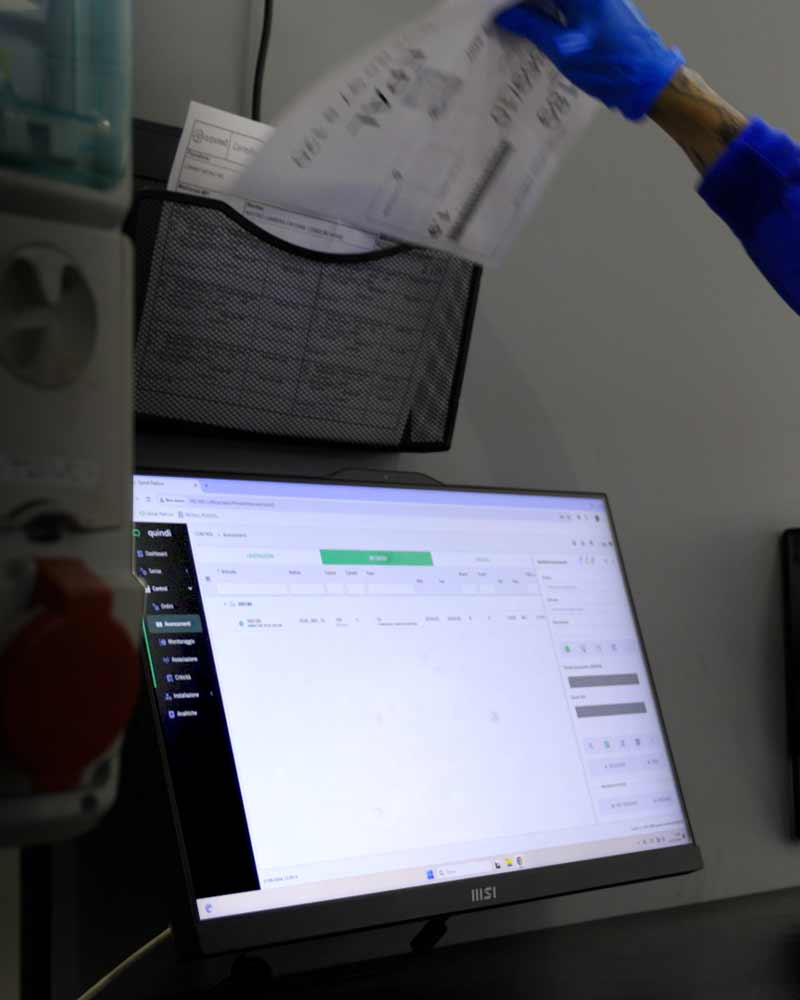
Quindi collects data directly from the machines, links it to the operation in progress, and makes it available for dashboards, analysis, and ERP updates. Aspotec can therefore see what has been completed, which materials were used, where and when the work was performed, and how far the order has progressed - all in real time.

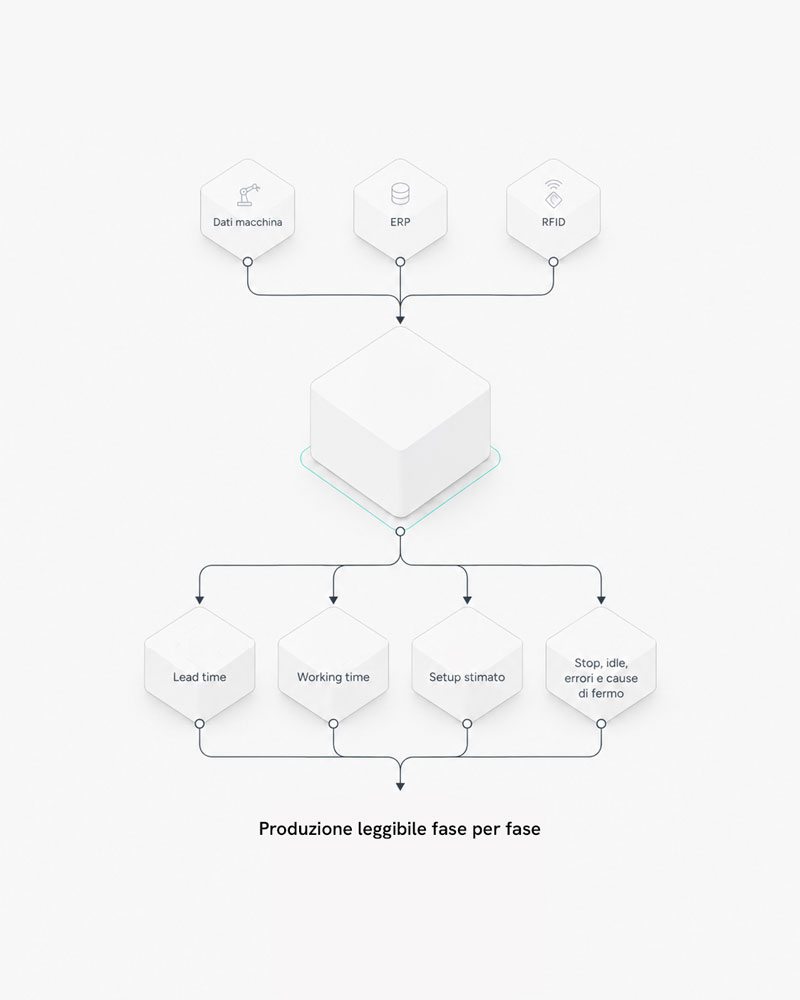
By combining machine, ERP, and RFID data, Quindi reconstructs lead times, working times, estimated setup times, stops, idle periods, errors, and the causes of downtime. Production can therefore be analyzed stage by stage. This creates a direct, real-time connection between the shop floor and the ERP.

A clearer view of production, step by step.
Aspotec can monitor machine status, production times, and progress across legacy equipment as well.
RFID connects the key variables across the production process.
Fewer manual checks and data that more accurately reflects actual shop-floor conditions.
The ERP is updated with data collected directly from production operations.
Up-to-date data makes production performance and costs easier and immediate to analyze.
